21 Published BooksElmer Diktonius
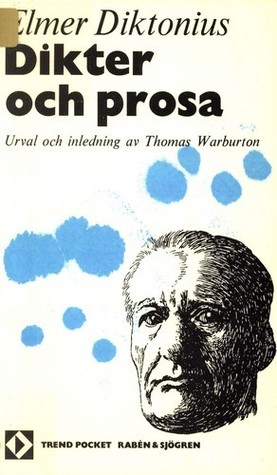
Elmer Rafael Diktonius (1896-1961) was a Finnish poet and prosaist who wrote in Swedish. After and along with Edith Södergran, he was the most significant Finnish-Swedish modernist and a member of the 1920's young radicals' literary group Tulenkantajat, to whose newspaper he also contributed. There were both expressionist and imagist influences seen in his works.
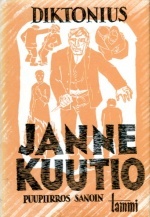
Probably best known for experimental 1932 novel Janne Kubik: ett träsnitt i ord (translated into Finnish as Janne Kuutio: puupiirros sanoin by the author himself – ”John Cube: a woodcut put in words”), a story of a red 1918 Civil War fighter, Diktonius was politically active leftist and closely connected to the socialist leader figure Otto Wille Kuusinen. However, he did not take part to the war and later took distance from the ism while participating the Continuation War 1941-44 against Soviet Union. Afterwards his political ambitions revived and he started writing for left-wing journals again.
As a young man, the writer had studied music abroad and tried composing as well, but had failed in that career. Still he was a skilled violinist who liked to entertain friends with his playing. He got married twice: first marriage with singer Meri Marttinen ended in divorce and the wife later killed herself but the latter went better.
Diktonius never gained great success in front of the Finnish-speaking public in his own days. He died fairly poor and unknown at age 65, after having suffered from alcoholism and Alzheimer's for over a decade. His 1921 debut poetry album Min dikt wasn't released in Finnish until posthumously in 1972, which indicates the lack of respect shown to him.