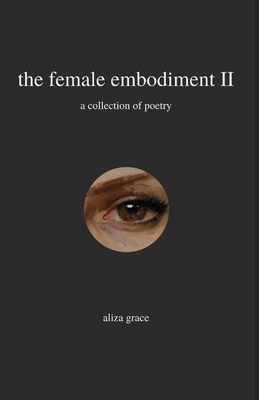
20 Published Booksaliza grace
Aliza Grace is part of a new generation of poets who didn’t wait for traditional publishing to be heard.
Instead, she found her audience in the quiet, glowing space of a phone screen. Where a few lines, spoken honestly, can travel farther than entire books once did.
A young TikTok poet, Aliza rose to recognition through short, emotionally charged pieces that speak directly to experiences of love, loss, longing, healing, and becoming.
Born in the early 2000s, Aliza grew up in a world where expression was constant but not always meaningful. Poetry became her way of slowing things down. What began as a hobby gradually transformed into something she was willing to share. Her early work carried a rawness that resonated immediately: unpolished, direct, and unafraid of emotional exposure.
Her breakthrough came when one of her poems began circulating widely on TikTok. Viewers connected not because of elaborate language, but because of recognition. Her words felt like something they had thought, but never quite articulated. Lines about learning to live with absence, about life after loss, and about rebuilding oneself quietly became widely quoted and shared.
Aliza’s style is defined by restraint. She avoids overly complex metaphors, choosing instead clarity and emotional precision. Her poems often read like conversations with the oneself; intimate, reflective, and unfinished in a way that invites the reader to step in.
As her audience grew, so did her role. She became not just a poet, but a kind of companion to those navigating difficult emotional terrain. Comment sections under her videos often read like collective diaries, with people sharing their own stories of loss and resilience. Aliza has acknowledged this connection, describing her work as “a place where feelings don’t have to be explained to be understood.”
Despite her viral success, she has remained relatively private. She rarely centers her personal life, allowing the work itself to carry the weight of her identity. This intentional distance has only deepened the universality of her voice. Her poems feel personal, but never exclusive.
In many ways, Aliza Grace represents a shift in how poetry lives in the modern world. No longer confined to pages or academic spaces, it moves quickly, intimately, and democratically. Her work exists in fleeting videos, saved drafts, and shared screenshots; Ephemeral in form, but lasting in impact.
She continues to write, not with the urgency of virality, but with the quiet persistence that defined her beginnings. For Aliza, poetry is not performance. It is a way of staying present with what cannot be easily resolved.
And for millions who have come across her words at just the right moment, that has been enough.