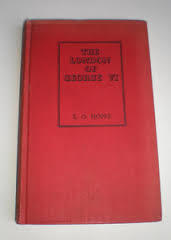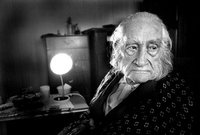
21 Published BooksE.O. Hoppé
Emil Otto Hoppé was a German-born British portrait, travel, and topographic photographer active between 1907 and 1945. Born into a wealthy family in Munich, he moved to London in 1900 originally to train as a financier, but took up photography and rapidly achieved great success.
In his life, Hoppé's reputation drew to him many important British and North American personalities in politics, literature, and the arts. In the era before the first World War, Hoppé photographed many leading literary subjects and figures from the art world such as Henry James, Rudyard Kipling, John Masefield, Léon Bakst, Anna Pavlova, Tamara Karsavina and other dancers of the Ballets Russes, Violet Hunt, Richard Strauss, Jacob Epstein and William Nicholson, some of whom were included in his 1913 exhibition. In the early 1920s he was invited to photograph, Queen Mary, King George, and members of the Royal family. Other subjects of the 1920s included Albert Einstein, Benito Mussolini, Robert Frost, Aldous Huxley, George Bernard Shaw and A.A. Milne. In the 1930s Hoppé photographed a number of dancers at the Vic-Wells company including Margot Fonteyn, Ninette de Valois, Hermione Darnborough and Beatrice Appleyard.
Working from a studio first in London's Baron's Court at 10 Margravine Gardens (1907–10), he moved in 1911 to a Baker Street studio. In 1913 he took on a lease of 7 Cromwell Place, occupying all thirty-three rooms of the previous home of Sir John Everett Millais, which later (from 1937) was used by dance photographer Gordon Anthony and subsequently Francis Bacon. Hoppé also made portraits of the street types of London: English cleaners, maids, and street vendors were photographed both in his studio and on the street. He continued this practice of capturing ordinary working men and women throughout his career as he travelled throughout the world.
(Source: Wikipedia)